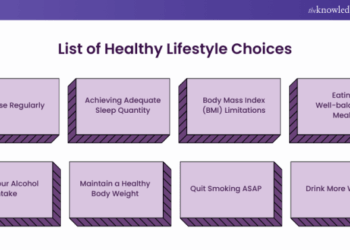

As Wellness Incentives in Lifestyle Health Plans takes center stage, this opening passage beckons readers with a deep dive into a world of incentives designed to promote healthier living. By exploring the nuances of wellness incentives, this discussion aims to shed light on how they can drive positive behavioral changes and enhance overall well-being.
Delving further into the realm of wellness incentives, we uncover the various types, benefits, and challenges associated with integrating them into lifestyle health plans. Let's embark on this journey to uncover the secrets behind incentivizing a healthier lifestyle.
Definition of Wellness Incentives in Lifestyle Health Plans
Wellness incentives in lifestyle health plans refer to rewards or benefits offered to individuals to encourage them to adopt and maintain healthier behaviors. These incentives are designed to motivate participants to make positive lifestyle changes that can lead to better overall health and well-being.
How Wellness Incentives Motivate Individuals
Wellness incentives can motivate individuals by providing tangible rewards for engaging in healthy activities or achieving specific health goals. By offering incentives, individuals are more likely to stay committed to their health and wellness journey, as they have a clear incentive to work towards.
Examples of Common Wellness Incentives
- Financial Incentives: This can include discounts on gym memberships, cash rewards for meeting health targets, or reduced insurance premiums for participating in wellness programs.
- Health Tracking Devices: Providing free or discounted fitness trackers or smartwatches to help individuals monitor their physical activity and progress towards their health goals.
- Wellness Challenges: Organizing competitions or challenges within a workplace or community to encourage healthy behaviors, with rewards for participants who meet certain criteria.
- Healthy Snack Options: Offering free healthy snacks at work or in public spaces to promote better nutrition choices and discourage unhealthy eating habits.
Types of Wellness Incentives
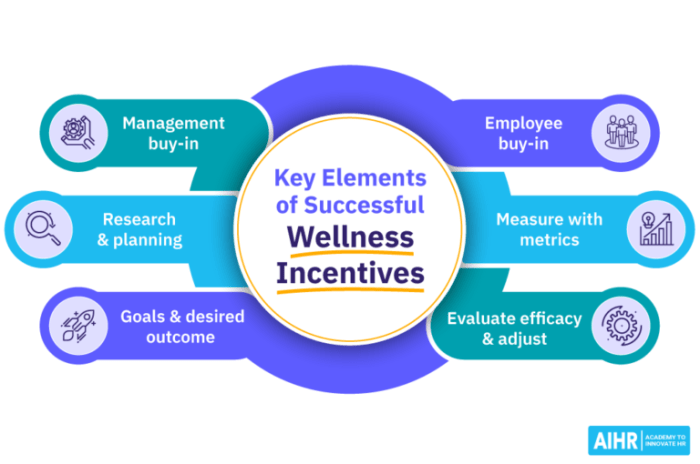
Wellness incentives play a crucial role in motivating individuals to adopt and maintain healthy habits. Different types of wellness incentives are commonly included in lifestyle health plans to encourage positive behavior change.
Financial Incentives
- Financial incentives involve providing rewards such as discounts, cash bonuses, or reduced premiums for individuals who meet specific health goals or participate in wellness activities.
- These incentives can be highly effective in promoting healthy habits as they provide tangible benefits that motivate individuals to engage in preventive care and wellness programs.
- For example, some health insurance companies offer premium discounts to members who complete a certain number of steps per day tracked through a fitness device.
Non-Financial Incentives
- Non-financial incentives include rewards like gift cards, merchandise, or additional paid time off for employees who participate in wellness initiatives or achieve health-related milestones.
- These incentives can be equally effective in promoting healthy habits by recognizing and celebrating individuals' efforts towards improving their well-being.
- For instance, a company may offer a gift card to employees who attend a certain number of nutrition seminars or workshops.
Health Insurance Premium Reductions
- Health insurance premium reductions are incentives where individuals receive discounts on their insurance premiums for meeting specific health goals or participating in wellness programs.
- This type of incentive can be highly motivating as it directly impacts individuals' financial well-being while encouraging them to prioritize their health.
- For example, some insurers offer premium reductions to policyholders who complete a health risk assessment or undergo preventive screenings.
Benefits of Wellness Incentives
Wellness incentives play a crucial role in lifestyle health plans by motivating individuals to adopt healthier behaviors and choices. These incentives offer a range of benefits that can significantly impact overall well-being and quality of life.
Improved Health Outcomes
Research has shown that incorporating wellness incentives into lifestyle health plans can lead to improved health outcomes. Participants who are incentivized to engage in healthy activities such as exercise, nutrition, and stress management tend to experience lower rates of chronic diseases, reduced healthcare costs, and overall better physical health.
Increased Engagement
Wellness incentives help increase participant engagement in health and wellness programs. By offering rewards for achieving health goals or completing certain activities, individuals are more likely to actively participate and stay committed to their well-being journey
Enhanced Employee Morale
Incorporating wellness incentives in workplace health programs can boost employee morale and productivity. When employees feel valued and rewarded for prioritizing their health, they are more motivated to perform well at work. This positive impact on employee morale can lead to a happier, healthier, and more productive workforce.
Challenges in Implementing Wellness Incentives
Implementing wellness incentives in lifestyle health plans can present various challenges for organizations. These challenges can hinder the success of wellness programs and impact employee engagement. It is essential to identify and address these obstacles to maximize the effectiveness of wellness incentives.
Lack of Employee Participation
Employee participation is crucial for the success of wellness incentive programs. However, organizations may face challenges in motivating employees to actively engage in wellness activities. Lack of interest, time constraints, or skepticism towards the program's benefits can result in low participation rates.
- Implementing targeted communication strategies to raise awareness about the wellness program and its benefits.
- Offering a variety of incentives that appeal to different employee preferences, such as monetary rewards, gift cards, or extra time off.
- Providing regular feedback and updates on the progress of the wellness program to maintain employee interest and motivation.
Difficulty in Measuring ROI
Measuring the return on investment (ROI) of wellness incentive programs can be challenging for organizations. Quantifying the impact of wellness initiatives on employee health outcomes and overall productivity requires robust data collection and analysis processes.
- Implementing data tracking systems to monitor employee participation, health improvements, and program effectiveness.
- Conducting regular evaluations and assessments to measure the ROI of wellness incentives and make data-driven decisions for program improvements.
- Collaborating with health professionals or consultants to analyze the data and provide valuable insights into the program's impact on employee well-being.
Resistance to Change
Resistance to change within the organizational culture can pose a significant barrier to the successful implementation of wellness incentives. Employees may be reluctant to adopt new wellness practices or engage in health-promoting activities due to fear of change or lack of support from management.
- Conducting thorough training and education sessions to promote the benefits of wellness incentives and address any misconceptions or concerns among employees.
- Incorporating wellness initiatives into the company's values and mission to create a culture of health and well-being that encourages employee participation.
- Engaging with key stakeholders and organizational leaders to gain their support and commitment to the wellness program, fostering a culture of health from the top down.
Closure
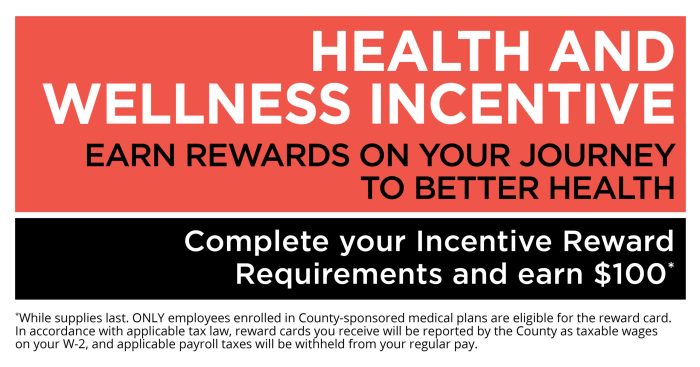
In conclusion, the exploration of Wellness Incentives in Lifestyle Health Plans reveals a multifaceted approach to fostering healthy habits and improving quality of life. By understanding the significance of wellness incentives, individuals and organizations can pave the way for a brighter, healthier future.
Commonly Asked Questions
What are some common wellness incentives offered in lifestyle health plans?
Common wellness incentives include gym membership discounts, rewards for meeting fitness goals, and cash incentives for participating in wellness programs.
How do wellness incentives improve overall well-being?
Wellness incentives can improve overall well-being by motivating individuals to engage in healthy behaviors, leading to better physical and mental health outcomes.
What are some strategies to overcome challenges in implementing wellness incentives?
Strategies to overcome challenges include effective communication about incentives, addressing employee concerns, and regularly evaluating the impact of wellness programs.