
In a world where technology is rapidly transforming every aspect of our lives, the future of personalized health plans and smart insurance is taking center stage. This innovative approach not only reshapes how we access healthcare but also enhances the quality of our medical services.
Let's delve into this fascinating realm where customization meets cutting-edge technology to revolutionize the healthcare industry.
Overview of Personalized Health Plans and Smart Insurance
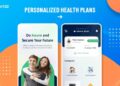
Personalized health plans and smart insurance are innovative approaches that aim to tailor healthcare services and insurance coverage to individual needs and preferences.
Definition and Customization in Healthcare Services
Personalized health plans involve creating individualized healthcare strategies based on a person's unique health profile, lifestyle, and medical history. This customization allows for targeted interventions and preventive measures that are specific to each individual's needs.
Integration of Technology in Insurance Offerings
Smart insurance utilizes technology such as data analytics, wearable devices, and telemedicine to offer more efficient and personalized insurance solutions. By leveraging these technological advancements, insurers can better assess risk, provide real-time health monitoring, and offer incentives for healthy behaviors.
Benefits of Personalized Health Plans
Personalized health plans offer a range of benefits that can significantly impact an individual's overall well-being. By tailoring healthcare strategies to meet specific needs, these plans can revolutionize the way healthcare is delivered and received.
Improved Health Outcomes
- Personalized health plans take into account an individual's unique health profile, including genetic predispositions, lifestyle choices, and medical history. This comprehensive approach enables healthcare providers to develop targeted interventions that are more effective in preventing and managing diseases.
- By focusing on prevention rather than just treatment, personalized health plans can help individuals identify potential health risks early on and take proactive measures to mitigate them. This proactive approach can lead to better health outcomes and reduced healthcare costs in the long run.
Enhanced Patient Engagement
- Personalized health plans empower individuals to take an active role in managing their health by providing them with personalized recommendations and resources tailored to their specific needs. This increased level of engagement can lead to better adherence to treatment plans and healthier lifestyle choices.
- Through regular monitoring and feedback, personalized health plans enable individuals to track their progress and make informed decisions about their health. This real-time feedback loop can motivate individuals to stay on track and make positive changes to improve their overall well-being.
Examples of Personalized Health Interventions
- Genetic testing to identify predispositions to certain diseases and personalize treatment plans accordingly.
- Personalized nutrition plans based on an individual's dietary preferences, allergies, and nutritional needs.
- Customized fitness regimens tailored to an individual's fitness level, goals, and limitations.
Role of Technology in Personalized Health Plans
Technology plays a crucial role in the development and implementation of personalized health plans. By leveraging various technological tools, healthcare providers can tailor treatments and interventions to meet the specific needs of individual patients. This customization not only enhances the effectiveness of healthcare services but also improves patient outcomes and satisfaction.
Use of Wearables and IoT Devices in Health Monitoring
The integration of wearables and IoT devices in health monitoring has revolutionized the way individuals track and manage their health. These devices collect real-time data on vital signs, activity levels, and other relevant health metrics, allowing for continuous monitoring and analysis.
By utilizing this data, healthcare providers can gain valuable insights into a patient's health status and make informed decisions about their care.
- Wearable devices such as smartwatches and fitness trackers enable individuals to monitor their physical activity, heart rate, and sleep patterns.
- IoT devices like smart scales and blood pressure monitors provide accurate measurements that can be shared with healthcare providers for remote monitoring and assessment.
- The data collected from these devices can be used to identify trends, detect early warning signs of health issues, and personalize treatment plans accordingly.
AI and Machine Learning in Personalized Health Solutions
Artificial intelligence (AI) and machine learning algorithms are increasingly being used to analyze vast amounts of healthcare data and generate insights that can guide personalized health solutions. These technologies have the capability to identify patterns, predict outcomes, and recommend treatment strategies based on individual patient profiles.
- AI-powered tools can assist healthcare providers in diagnosing diseases, predicting potential health risks, and optimizing treatment plans for better patient outcomes.
- Machine learning algorithms can analyze genetic data, medical records, and lifestyle factors to create personalized health profiles that inform preventive measures and interventions.
- By harnessing the power of AI and machine learning, personalized health plans can be continuously updated and refined to adapt to changes in a patient's health status and needs.
Data Privacy and Security Concerns
In the realm of personalized health plans and smart insurance, the protection of personal health data is of paramount importance. With the increasing use of technology in healthcare, there are potential risks that must be addressed to ensure the privacy and security of sensitive health information
Importance of Protecting Personal Health Data
Personal health data contains highly sensitive information about an individual's medical history, conditions, treatments, and more. Any breach of this data could lead to severe consequences, including identity theft, discrimination, or misuse of personal health information.
Potential Risks Associated with Technology in Healthcare
- Theft of Data: Hackers may attempt to access personal health information stored in electronic health records, leading to data breaches and identity theft.
- Data Interception: During the transmission of health data between devices or systems, there is a risk of interception by unauthorized parties.
- Data Misuse: Personal health data may be used for purposes other than healthcare without the individual's consent, leading to privacy violations.
Strategies for Safeguarding Sensitive Health Information
- Encryption: Utilizing encryption techniques to secure health data both at rest and in transit can help prevent unauthorized access.
- Access Control: Implementing strict access controls and user authentication mechanisms can limit the individuals who can view or modify health data.
- Regular Audits: Conducting regular audits of systems and processes can help identify vulnerabilities and ensure compliance with data protection regulations.
- Employee Training: Providing comprehensive training to healthcare staff on data privacy best practices can help prevent unintentional breaches.
Implementation Challenges and Solutions
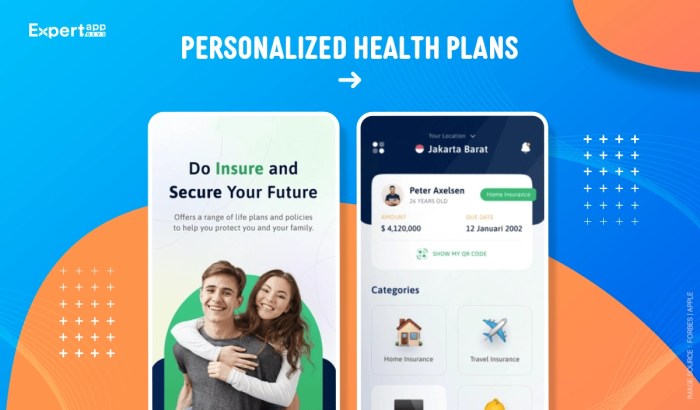
Implementing personalized health plans and smart insurance practices comes with its own set of challenges that need to be addressed in order to ensure successful adoption and implementation. Let's explore some of the key barriers and potential solutions:
Barriers to Implementing Personalized Health Plans
- Lack of standardized data sharing protocols among healthcare providers, insurers, and technology platforms.
- Resistance from individuals and healthcare professionals to embrace new technologies and data-driven approaches.
- High costs associated with implementing and maintaining personalized health plans.
- Concerns about data privacy and security in the collection and sharing of sensitive health information.
Solutions to Overcome Obstacles in Adopting Smart Insurance Practices
- Developing clear guidelines and regulations for data sharing and protection to build trust among stakeholders.
- Providing adequate training and support to healthcare professionals and individuals to enhance their digital literacy and understanding of personalized health technologies.
- Investing in research and development to drive down costs and make personalized health plans more accessible to a wider population.
- Implementing robust cybersecurity measures and data encryption techniques to safeguard sensitive health data.
Role of Regulations in Shaping the Future of Personalized Healthcare
- Regulations play a crucial role in ensuring the ethical and responsible use of personalized health data.
- Regulatory frameworks can help establish standards for data interoperability and data protection across different healthcare systems.
- Compliance with regulations can build trust among patients and encourage widespread adoption of personalized health plans and smart insurance practices.
Wrap-Up
As we navigate through the realm of personalized health plans and smart insurance, it becomes evident that the future holds immense potential for improving healthcare outcomes and enhancing patient experiences. Embracing these advancements can lead to a more personalized, efficient, and secure healthcare ecosystem.
The journey towards a healthier future is paved with innovation and tailored solutions, promising a brighter tomorrow for all.
Clarifying Questions
How do personalized health plans differ from traditional health insurance?
Personalized health plans are tailored to individual needs, focusing on preventive care and wellness, whereas traditional health insurance offers more generalized coverage for a broader population.
Can technology really improve the customization of healthcare services?
Yes, technology plays a crucial role in enabling personalized health solutions by providing real-time data, remote monitoring capabilities, and predictive analytics.
What are some common risks associated with using IoT devices in health monitoring?
Common risks include data breaches, unauthorized access to personal health information, and potential vulnerabilities in device security.
How can regulations shape the future of personalized healthcare?
Regulations help establish guidelines for data privacy, security standards, and ethical practices in the implementation of personalized health plans, ensuring patient protection and industry compliance.