
Embark on a journey towards optimal health and financial well-being with our guide on Balancing Nutrition and Budget for Long-Term Wellness. This article is designed to provide you with valuable insights on how to maintain a nutritious diet without breaking the bank, ensuring a sustainable approach to long-term wellness.
Delve into practical strategies, affordable food options, and meal prep tips that will empower you to make informed decisions about your health and budget.
Understanding Nutrition and Budget Balance
Balancing nutrition with a limited budget involves making smart choices to ensure you are getting the necessary nutrients without overspending. It is essential to prioritize foods that provide the best nutritional value for your money.
Maintaining long-term wellness through a balanced diet is crucial for overall health and well-being. A diet rich in essential nutrients can help prevent chronic diseases, boost immunity, and improve energy levels.
Examples of Cost-Effective Nutritious Foods
When trying to balance nutrition and budget, consider incorporating these cost-effective and nutritious foods into your diet:
- Beans and legumes: Beans are an excellent source of protein, fiber, and various vitamins and minerals. They are also budget-friendly and can be used in a variety of dishes.
- Oats: Oats are a nutritious whole grain that is high in fiber and can be a filling and affordable breakfast option.
- Eggs: Eggs are a versatile and inexpensive source of high-quality protein, vitamins, and minerals.
- Frozen fruits and vegetables: Frozen produce is often more affordable than fresh and can be just as nutritious. Stock up on frozen fruits and vegetables to add to smoothies, stir-fries, and soups.
- Canned fish: Canned fish, such as tuna and salmon, are budget-friendly sources of omega-3 fatty acids and protein. Look for options packed in water or olive oil for a healthier choice.
Strategies for Balancing Nutrition and Budget
When it comes to balancing nutrition and budget, there are several strategies you can implement to ensure you are making healthy choices without breaking the bank.
Meal Planning Tips for Optimal Nutrition
Meal planning is a key strategy for optimizing nutrition within a budget. By planning your meals in advance, you can ensure you are incorporating a variety of nutrient-dense foods while also minimizing food waste. Consider using ingredients that can be used in multiple dishes throughout the week to save money and reduce the need for multiple trips to the store.
Benefits of Buying in Bulk or Seasonal Produce
Buying in bulk or opting for seasonal produce can help you save money while still maintaining a balanced diet. Purchasing items like grains, beans, and frozen fruits and vegetables in bulk can often result in cost savings per serving. Additionally, choosing seasonal produce can be more affordable and fresher, providing you with a variety of essential nutrients.
Prioritizing Spending on Essential Nutrients
When trying to balance nutrition and budget, it's important to prioritize spending on essential nutrients while cutting costs on non-essential items. Focus on purchasing high-quality sources of protein, whole grains, fruits, and vegetables, while limiting spending on processed foods, sugary beverages, and snacks.
By investing in nutrient-dense foods, you can support your long-term health and well-being without overspending.
Identifying Nutrient-Dense Affordable Foods
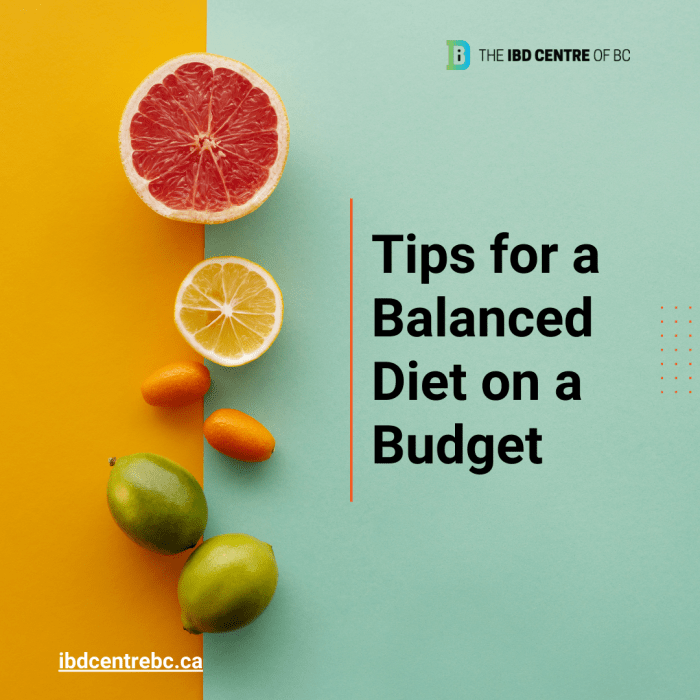
When it comes to balancing nutrition and budget, choosing affordable yet nutrient-dense foods is key. By opting for budget-friendly options that are rich in essential nutrients, you can maintain a healthy diet without breaking the bank.
Nutrient-Dense Foods that are Budget-Friendly
- Legumes (such as lentils, chickpeas, and black beans) are not only packed with protein and fiber but also very affordable.
- Oats are a budget-friendly whole grain option that provides fiber and various vitamins and minerals.
- Eggs are an excellent source of high-quality protein and essential nutrients at a low cost.
- Canned tuna or salmon offer a budget-friendly way to incorporate omega-3 fatty acids into your diet.
- Frozen fruits and vegetables are often more affordable than fresh options and retain their nutrient content well.
Cost-Effectiveness of Fresh Produce vs
. Frozen or Canned Options
When comparing fresh produce to frozen or canned options, frozen and canned fruits and vegetables can be more cost-effective. They have a longer shelf life, reducing food waste, and are often priced lower than fresh produce, especially when out of season.
Reading Food Labels for Affordable Yet Nutritious Options
When grocery shopping on a budget, it's essential to read food labels to identify affordable yet nutritious options. Look for foods that are high in nutrients like vitamins, minerals, and fiber, while also being low in added sugars, sodium, and unhealthy fats.
Opt for store brands or generic versions of products to save money without compromising on quality.
Meal Prep and Budget-Friendly Recipes
When it comes to balancing nutrition and budget, meal prep plays a crucial role in saving both time and money while ensuring that you are consuming balanced meals. By planning ahead and preparing your meals in advance, you can avoid last-minute, expensive food choices and maintain a healthy diet.
Meal Prep Strategies
- Set aside time each week to plan your meals and create a shopping list based on nutrient-dense, affordable ingredients.
- Cook in batches and portion out meals for the week to avoid the temptation of dining out or ordering takeout.
- Invest in quality storage containers to keep your prepared meals fresh and organized.
Budget-Friendly Recipes
Here are some examples of budget-friendly recipes that are nutritious and easy to prepare:
| Recipe | Ingredients | Instructions |
|---|---|---|
| Vegetable Stir-Fry | Assorted vegetables, tofu or chicken, soy sauce, garlic, ginger | Sauté vegetables, add protein, season with soy sauce, garlic, and ginger. Serve over rice. |
| Bean and Vegetable Soup | Beans, mixed vegetables, broth, herbs, spices | Simmer beans, vegetables, broth, herbs, and spices. Enjoy a hearty and healthy soup. |
| Oatmeal with Fruit | Oats, milk or water, fresh or frozen fruit, nuts or seeds | Cook oats with milk or water, top with fruit, nuts, or seeds for a nutritious breakfast. |
Cooking at Home vs. Dining Out
- Cooking at home is generally more cost-effective than dining out, as you can control portion sizes and ingredients, reducing food waste.
- When you cook at home, you have the ability to choose healthier cooking methods and avoid added sugars, unhealthy fats, and excessive sodium often found in restaurant meals.
- By preparing meals at home, you can experiment with new recipes, flavors, and ingredients while saving money in the long run.
Last Point

In conclusion, achieving a balance between nutrition and budget is not only attainable but also essential for long-term well-being. By making conscious choices and prioritizing health, you can create a sustainable lifestyle that nourishes both your body and your wallet.
Question & Answer Hub
How can I balance my nutrition on a limited budget?
To balance nutrition on a budget, focus on buying nutrient-dense foods like beans, lentils, and oats. Meal planning and buying in bulk can also help optimize your budget.
Are frozen or canned produce as nutritious as fresh ones?
Frozen and canned produce are still nutritious options. Look for options without added sugar or salt and choose varieties with no preservatives for the healthiest choice.
What are some cost-effective yet nutrient-dense foods?
Some examples include eggs, sweet potatoes, bananas, and brown rice. These foods are not only affordable but also packed with essential nutrients.
How can meal prep help me save time and money?
Meal prepping allows you to plan your meals in advance, which can reduce food waste and help you avoid impulse purchases. It also saves time during busy weekdays.