
Self-Care Routines That Actually Lower Health Risks sets the stage for this enthralling narrative, offering readers a glimpse into a story that is rich in detail and brimming with originality from the outset.
The focus here is on how self-care practices can significantly impact our health and well-being. From physical exercises to mental strategies, we delve into a holistic approach towards lowering health risks through self-care routines.
Importance of Self-Care
Self-care plays a crucial role in reducing health risks and promoting overall well-being. By prioritizing self-care routines, individuals can significantly lower the chances of developing various health issues and improve their quality of life.
Impact on Physical Health
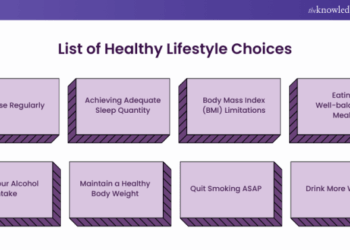
Self-care routines, such as regular exercise, balanced diet, and sufficient sleep, have a direct impact on physical health. Engaging in these activities can help maintain a healthy weight, boost immunity, and reduce the risk of chronic diseases like heart disease, diabetes, and obesity.
Impact on Mental Health
In addition to physical health benefits, self-care also positively affects mental well-being. Practices like mindfulness meditation, journaling, and seeking therapy or counseling can help manage stress, anxiety, and depression. Taking care of one's mental health is essential for overall health and longevity.
Statistics and Studies
Studies have shown a clear link between self-care practices and lower health risks. For example, a research study published in the Journal of the American Medical Association found that individuals who engaged in regular physical activity and healthy eating habits had a significantly lower risk of developing cardiovascular diseases compared to those who did not prioritize self-care.Overall, incorporating self-care routines into daily life is essential for reducing health risks, improving overall well-being, and leading a healthier, happier life.
Physical Self-Care Practices
Maintaining physical self-care practices is crucial for reducing health risks and promoting overall well-being. Engaging in regular exercise, proper nutrition, and adequate rest are key components of physical self-care routines. These practices not only improve physical health but also have a positive impact on mental and emotional well-being.
Role of Exercise in Promoting Better Health Outcomes
Regular exercise plays a vital role in promoting better health outcomes by strengthening the cardiovascular system, improving muscle tone, and boosting overall immunity. Physical activity helps in maintaining a healthy weight, reducing the risk of chronic diseases such as heart disease, diabetes, and obesity.
Additionally, exercise contributes to better mood regulation, stress reduction, and enhanced cognitive function.
- Cardiovascular exercises like running, cycling, or swimming help improve heart health and increase endurance.
- Strength training exercises such as weightlifting or bodyweight exercises help build muscle mass, increase metabolism, and improve bone density.
- Flexibility exercises like yoga or stretching routines enhance joint mobility, reduce the risk of injuries, and promote relaxation.
Mental and Emotional Self-Care Strategies
Maintaining good mental and emotional health is crucial for overall well-being. These aspects of health can greatly impact physical health and lower the risk of various illnesses.
Practices for Enhancing Mental Health
- Engage in regular mindfulness and meditation practices to reduce stress and increase self-awareness.
- Seek therapy or counseling to address underlying emotional issues and develop healthy coping mechanisms.
- Practice gratitude by keeping a daily journal of things you are thankful for to shift focus to positivity.
- Engage in creative activities such as painting, writing, or playing music to express emotions and reduce mental strain.
Techniques for Managing Stress
- Practice deep breathing exercises to calm the mind and reduce stress levels.
- Engage in regular physical exercise to release endorphins and improve mood.
- Set boundaries in relationships and work to avoid overwhelming stressors.
- Take regular breaks throughout the day to relax and recharge the mind.
Improving Emotional Resilience
- Develop a strong support system of friends and family to lean on during challenging times.
- Practice self-compassion and treat yourself with kindness during moments of struggle.
- Engage in activities that bring you joy and make you feel fulfilled.
- Learn to identify and challenge negative thought patterns to build emotional strength.
Nutritional Self-Care
Nutrition plays a crucial role in preventing various health issues and promoting overall well-being. A balanced diet rich in essential nutrients is key to lowering health risks and maintaining optimal health.
Importance of Nutrition in Preventing Health Issues
Nutrition is essential for supporting the body's functions, boosting the immune system, and reducing the risk of chronic diseases such as heart disease, diabetes, and obesity. A diet high in fruits, vegetables, whole grains, lean proteins, and healthy fats can provide the necessary vitamins, minerals, and antioxidants to support overall health.
Examples of Foods and Dietary Habits that Lower Health Risks
- Incorporating a variety of colorful fruits and vegetables rich in vitamins and antioxidants.
- Consuming whole grains such as brown rice, quinoa, and oats for fiber and sustained energy.
- Including lean proteins like poultry, fish, beans, and nuts for muscle maintenance and repair.
- Limiting processed foods, sugary beverages, and excessive salt intake to reduce the risk of cardiovascular diseases and obesity.
- Drinking an adequate amount of water daily to stay hydrated and support various bodily functions.
Role of a Balanced Diet in Promoting Overall Well-Being
A balanced diet that includes a variety of nutrients is essential for maintaining a healthy weight, supporting mental clarity and focus, improving mood, and enhancing overall quality of life. By fueling the body with the right nutrients, individuals can lower the risk of developing chronic diseases and enjoy a higher level of vitality and well-being.
Wrap-Up
As we conclude this exploration of Self-Care Routines That Actually Lower Health Risks, it becomes evident that taking care of ourselves is not just a luxury but a necessity. By integrating these practices into our daily lives, we pave the way for a healthier and more fulfilling future.
Questions and Answers
How crucial is self-care in reducing health risks?
Self-care plays a vital role in lowering health risks by promoting overall well-being and reducing stress levels, which are major contributors to various health issues.
What are some examples of physical self-care routines that can lower health risks?
Engaging in regular exercise, maintaining proper posture, and getting an adequate amount of sleep are all physical self-care practices that can help lower health risks.
How does nutrition impact our health and what dietary habits can lower health risks?
Nutrition plays a key role in preventing health issues. Consuming a balanced diet rich in fruits, vegetables, and whole grains can significantly lower health risks.