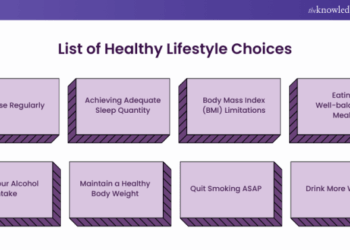

Exploring the realm of Healthy Lifestyle Habits That Reduce Medical Bills, this introduction sets the stage for a comprehensive discussion on how simple lifestyle changes can lead to significant savings on healthcare costs. It aims to shed light on the connection between healthy living and financial well-being in a manner that is informative and engaging.
In the subsequent paragraph, we will delve deeper into the specific habits and practices that can have a direct impact on reducing medical expenses, providing valuable insights for readers seeking to improve their overall health while saving money in the long run.
Benefits of Healthy Lifestyle Habits
Maintaining healthy lifestyle habits can significantly reduce medical bills over time. By taking proactive steps to prioritize your health, you can prevent various health conditions and diseases, ultimately leading to fewer medical expenses.
Regular Exercise
Regular physical activity not only improves your overall health but also helps in preventing chronic diseases such as heart disease, diabetes, and obesity. By staying active, you can reduce the risk of needing costly medical treatments and medications related to these conditions.
Healthy Diet
Eating a balanced and nutritious diet can boost your immune system, maintain a healthy weight, and reduce the risk of developing health issues like high blood pressure and cholesterol. By choosing whole foods over processed ones, you can save money on medical bills associated with diet-related illnesses.
Adequate Sleep
Getting enough quality sleep is crucial for your overall well-being. Chronic sleep deprivation can weaken your immune system, increase stress levels, and lead to various health problems. By prioritizing sleep, you can lower the chances of needing medical attention for sleep-related issues.
Stress Management
Chronic stress can take a toll on both your physical and mental health, leading to conditions like anxiety, depression, and heart disease. By practicing stress-reducing activities such as mindfulness, yoga, or meditation, you can lower your risk of developing stress-related illnesses and the associated medical costs.
Preventive Care
Regular health check-ups and screenings can help in early detection of potential health issues, allowing for timely intervention and treatment. By staying up-to-date with preventive care measures, you can avoid more serious health complications down the line, saving you money on extensive medical treatments.
Preventive Measures and Regular Health Check-ups

Preventive healthcare plays a crucial role in reducing medical expenses by focusing on avoiding potential health issues before they become serious. Regular health check-ups are an essential part of preventive measures as they help in identifying health problems early on, preventing costly medical conditions in the long run.
Importance of Preventive Healthcare
- Preventive healthcare aims to keep individuals healthy and reduce the need for expensive medical treatments.
- It focuses on lifestyle changes, vaccinations, screenings, and early interventions to maintain overall well-being.
- By addressing risk factors early, preventive measures can help in avoiding chronic diseases and their associated costs.
Significance of Regular Health Check-ups
- Regular health check-ups allow healthcare providers to detect any health issues before they become severe.
- Early detection through check-ups can lead to timely interventions and treatments, reducing the chances of costly medical procedures.
- Monitoring key health indicators through check-ups helps in maintaining optimal health and preventing diseases.
Strategies for Incorporating Preventive Measures
- Make healthy lifestyle choices such as eating a balanced diet, staying active, and avoiding harmful habits like smoking.
- Stay up to date with vaccinations and recommended screenings based on age, gender, and family history.
- Regularly consult with healthcare providers for preventive screenings and follow their advice for maintaining good health.
Balanced Diet and Exercise
Eating a balanced diet and incorporating regular exercise into your routine are crucial components of a healthy lifestyle. Not only do they promote overall well-being, but they also play a significant role in reducing medical costs in the long run.
Role of Balanced Diet
A balanced diet rich in fruits, vegetables, whole grains, lean proteins, and healthy fats provides essential nutrients that support your immune system, improve organ function, and maintain a healthy weight. By fueling your body with the right nutrients, you can reduce the risk of chronic diseases such as heart disease, diabetes, and obesity, ultimately lowering your healthcare expenses.
Benefits of Regular Exercise
Regular physical activity not only helps you maintain a healthy weight but also strengthens your muscles, improves cardiovascular health, and boosts your mood. By incorporating exercises such as cardio, strength training, and flexibility exercises into your routine, you can enhance your overall health and reduce the need for costly medical interventions in the future.
Creating Sustainable Plans
To make your diet and exercise habits sustainable and cost-effective, it's essential to set realistic goals, stay consistent, and seek professional guidance if needed. Planning your meals ahead, scheduling regular workout sessions, and finding activities that you enjoy can help you stick to your health regimen without breaking the bank.
Remember, small changes over time can lead to significant improvements in your health and finances.
Stress Management and Mental Health
Stress management plays a crucial role in maintaining overall well-being, impacting both physical and mental health. By effectively managing stress, individuals can reduce the risk of various health issues, thereby lowering medical bills in the long run.
Importance of Mental Health
Mental health is an integral aspect of a healthy lifestyle, as it influences how we think, feel, and act. Neglecting mental well-being can lead to an array of health problems and increased healthcare costs. It is essential to prioritize mental health to achieve a balanced and healthy life.
- Engage in relaxation techniques such as deep breathing exercises, meditation, or yoga to alleviate stress and promote mental clarity.
- Stay connected with friends and family for emotional support and social interaction, which can help in reducing feelings of isolation and stress.
- Establish a routine that includes regular physical activity, adequate sleep, and healthy eating habits to support both physical and mental health.
- Seek professional help or counseling if needed to address underlying mental health issues and develop coping strategies for stress management.
Ending Remarks
As we reach the conclusion of our discussion on Healthy Lifestyle Habits That Reduce Medical Bills, it becomes evident that prioritizing health and wellness not only benefits our bodies but also our wallets. By making conscious choices in our daily routines, we pave the way for a healthier future and reduced healthcare costs.
FAQs
How can healthy lifestyle habits actually reduce medical bills?
Healthy lifestyle habits can prevent chronic diseases and conditions, reducing the need for costly medical treatments and interventions.
What are some examples of specific habits that can lower healthcare costs?
Regular exercise, balanced diet, stress management, and preventive healthcare measures are key habits that can lead to reduced medical expenses.
Why is mental health important in the context of reducing medical bills?
Mental health plays a crucial role in overall well-being, affecting physical health as well. By promoting mental wellness, individuals can lower healthcare costs associated with mental health conditions.